Skip to content
EDGE Affiliates

Technology adoption for growing B2B teams

Get the result you bought the software for.

EDGE Affiliates picks, connects, and rolls out the communications, CRM, automation, and AI tools your team depends on, then stays until people use them in the job they actually have.

A working session on your stack. No pitch deck.

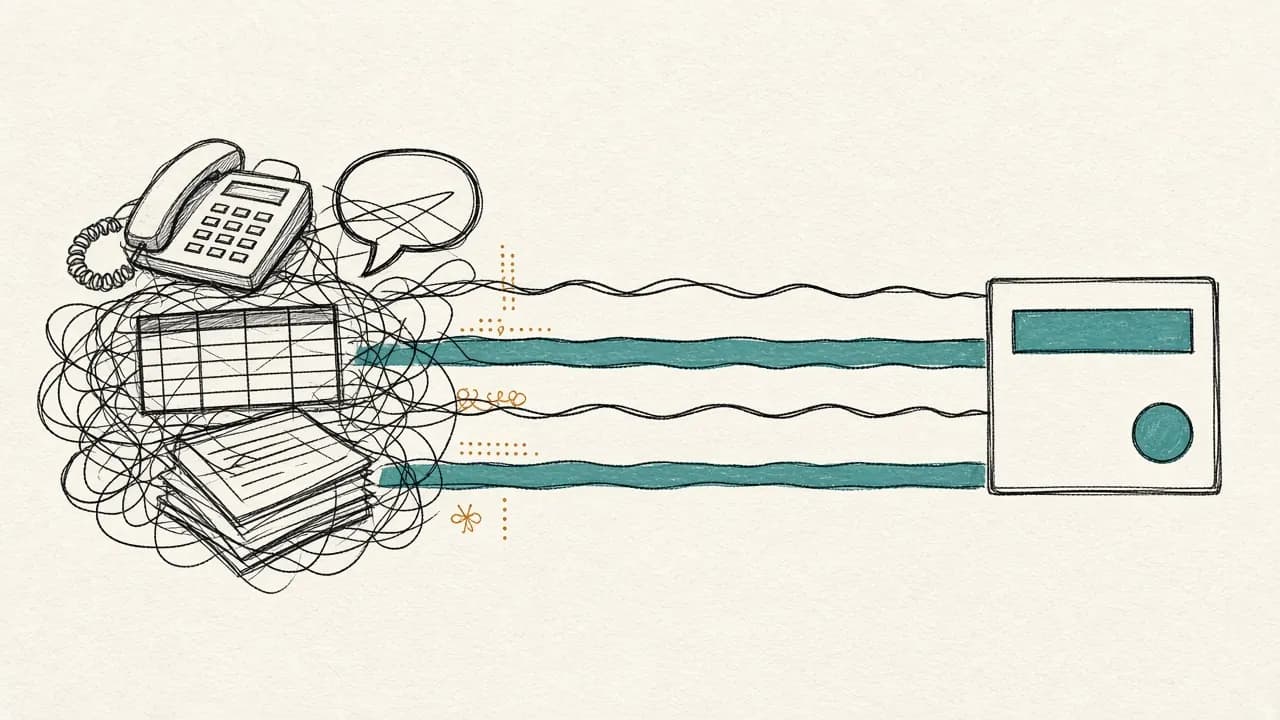
Diagram: a tangle of phone, chat, spreadsheet, and card-stack lines straightens into four parallel lanes that end in a single customer record.

What's different when the work is done.

Before
Scattered tools, each with a different owner
After
One owner per system, written down
Before
Data re-keyed between systems by hand
After
Handoffs designed before anything is configured
Before
Training that didn't stick past the webinar
After
Guides your next hire can learn from
Before
AI pilots with no process behind them
After
Automation on the few workflows with real volume

How an engagement works

Four steps. Each one leaves something behind.

The sequence is the same every time. The depth changes with your stack, your team, and the decision.

  1. 01

    Assess

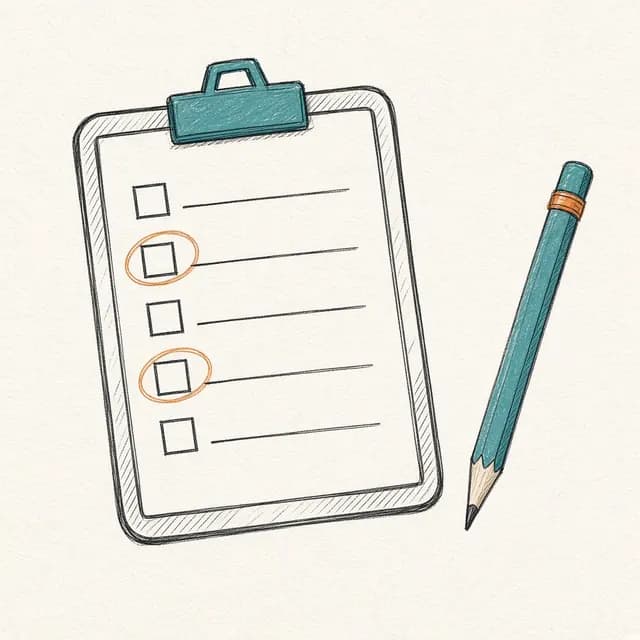
    Sketch of a clipboard checklist with two items circled for attention.

    We review the tools, workflows, and owners involved in the decision in front of you.

    Walk away withA one-page view of what's in the way.

  2. 02

    Roadmap

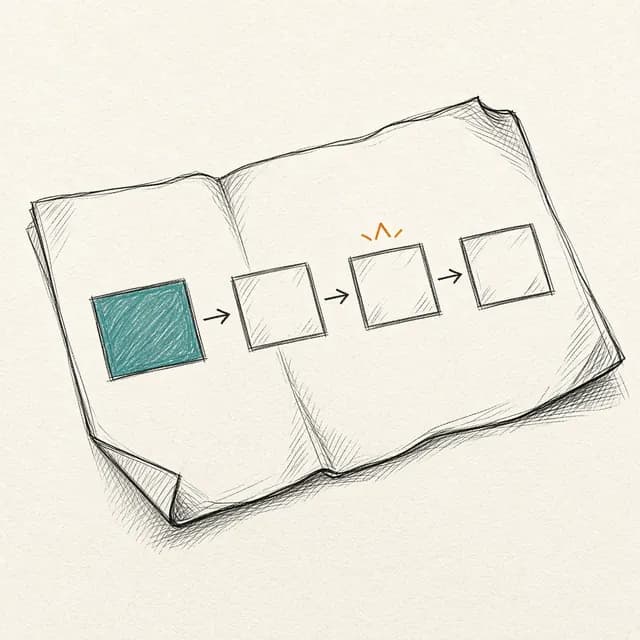
    Sketch of a one-page plan with four sequenced blocks connected by arrows.

    What to keep, replace, connect, and retire, in an order that doesn't stop the work.

    Walk away withA sequenced plan.

  3. 03

    Implement

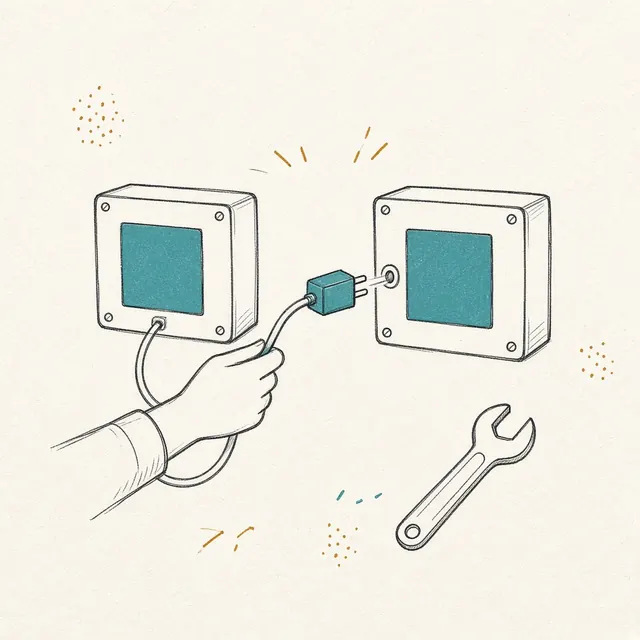
    Sketch of a plug being connected between two system boxes, with a wrench nearby.

    Configure, integrate, and build the custom pieces alongside your team.

    Walk away withA working system.

  4. 04

    Enable

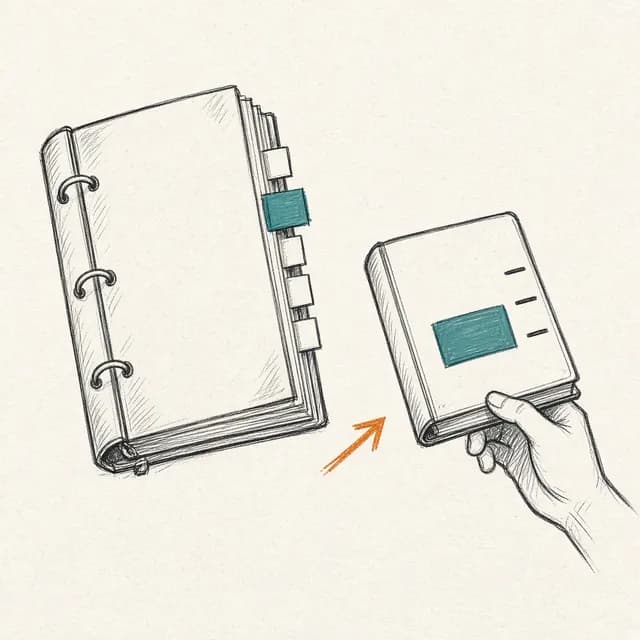
    Sketch of an open guide binder with tabs, and a second copy being handed forward.

    Guides and working sessions, with use measured against the original goal.

    Walk away withA team that can run it and teach it.

Composite scenarios, not client case studies

What an engagement looks like.

Three shapes the work takes before any platform is chosen.

  • ScenarioComposite, not a client
    Phone, meeting, and chat lines merging into one routing tree that ends in a customer record

    One communications platform

    Situation
    A regional services firm runs desk phones, a separate meeting app, and a shared inbox no one owns. Missed calls leave no record.
    First move
    Inventory every number and queue, choose one UCaaS platform, and rewrite call handling before anyone is trained.
    What changes
    A missed call becomes a task a named person sees. One contract, one admin console, one place to change a rule.
    Communications & Workflow Optimization
  • ScenarioComposite, not a client
    Two hands passing a single customer record card across a dotted boundary line

    A customer record both teams trust

    Situation
    A B2B team keeps opportunities in the CRM and renewals in a spreadsheet because the two systems do not share a customer.
    First move
    Define the customer record, design the sales-to-success handoff on paper, and only then configure the integration.
    What changes
    Success starts work from the same record sales closed on. The renewal date lives in a system, not a tab.
    Revenue Operations Enablement
  • ScenarioComposite, not a client
    Three data sources flowing into one automatically assembled report page

    The Monday status report

    Situation
    An operations lead rebuilds the same report from three tools every week before the leadership meeting.
    First move
    Automate the collection first. Then decide whether a model should draft the narrative or whether a cleaner workflow is enough.
    What changes
    The numbers arrive assembled. Monday morning is spent on the decision, not the spreadsheet.
    AI & Automation Strategy

How we work

Four operating rules. They show up in every assessment.

  1. Curate before you buy

    We start with the systems you already pay for. A new platform is a recommendation only after the overlap, the owner, and the workflow are clear.

  2. Architect the handoffs

    Tools fail at the boundaries. We design those boundaries before configuration.

  3. Implement with your team

    We configure, integrate, and troubleshoot next to the people who will own the system. A deck is not the deliverable.

  4. Leave the capability behind

    Guides, working sessions, and admin notes are part of the engagement. The goal is a team that can run and teach the system after we step back.

If the current stack is enough, or another firm fits better, that's what we'll tell you.

Common questions

What happens on the assessment call?

You describe the system and the decision. We ask what is already in place, who owns it, and what is actually in the way. You leave with a view of the first move and an honest read on whether we are the right team.

Do you only recommend new software?

No. We start with what you already pay for. A new platform is a recommendation only after the overlap, the owner, and the workflow are clear. Sometimes the answer is to buy nothing.

Can you build what a platform won't cover?

Yes. Integrations and internal tools are scoped inside the same engagement when a packaged platform is the wrong shape, so the build stays tied to the operating decision.

Are you tied to particular vendors?

Platforms are chosen against your workflow, not a partnership. Some editorial content on this site includes affiliate links, kept separate from client recommendations. See the affiliate disclosure for how that works.

Do you work remotely?

Yes. EDGE is based in Casper, Wyoming, and works with teams wherever they are. Meeting times are set around the people doing the work.

How vendor relationships are handled: Affiliate disclosure

Next step

Tell us the decision in front of you.

A working session on your stack: what's in the way, and whether we're the right team to help.